Got a question? info@thebatteryshop.eu                                                                   Subscribe to our newsletter to get a 5% discount on your first purchase

thebatteryshop.eu - Li-Ion battery webshop in Europe with quick and reliable shipping. Almost all products are available from stock.
Categories
thebatteryshop.eu - Li-Ion battery webshop in Europe with quick and reliable shipping. Almost all products are available from stock.
  • Categories
    • Li-Ion battery cells
    • LiFePO4 battery cells
    • Spot welding machines
    • BMS electronics
    • Battery chargers, testers
    • Portable power stations
    • Home ESS
    • Accessories
  • Blog
  • Why choose us?
  • Our Partners
  1. Blog
  1. Blog
Back
Does Fast Charging Ruin Li-ion and LFP Batteries?

Does Fast Charging Ruin Li-ion and LFP Batteries?

With the growing adoption of electric vehicles (EVs), smartphones, and other battery-powered devices, fast charging technology has become more prevalent. While the convenience of quick recharging is undeniable, there’s an ongoing debate about its long-term impact on lithium-ion (Li-ion) and lithium iron phosphate (LFP) batteries. Do these fast charging methods degrade these batteries faster, or is the concern overblown?


26/10/2024 17:00 Marton Danka

Understanding Li-ion and LFP Batteries

Before diving into fast charging, it’s essential to understand the battery types in question:

Lithium-ion (Li-ion) Batteries: These are widely used in smartphones, laptops, and electric vehicles. They have high energy density, meaning they can store more power in a smaller space. However, they are sensitive to high temperatures and can degrade over time.

Lithium Iron Phosphate (LFP) Batteries: Commonly found in EVs and solar energy systems, LFP batteries have lower energy density compared to Li-ion but are more stable, offering a longer lifespan and better resistance to higher temperatures. They are also less prone to catching fire.

How Fast Charging Works

Fast charging refers to delivering a higher current or voltage to the battery to replenish it quickly. Most modern fast chargers use a two-stage process:

  1. Constant Current Phase: The battery is charged with a high current to rapidly increase its charge level.
  2. Constant Voltage Phase: As the battery approaches full charge, the current decreases to prevent overcharging.

While this method is efficient, it puts stress on the battery, leading to the question: does this stress lead to faster degradation?

Impact on Li-ion Batteries

Lithium-ion batteries are more susceptible to degradation from fast charging due to the following reasons:

Increased Heat: Fast charging generates more heat, and Li-ion batteries are sensitive to high temperatures. Excess heat can accelerate the breakdown of the electrolyte and cause faster degradation of the battery's capacity.

Higher Charge Cycles: Fast charging can lead to frequent and partial charging cycles, which in turn can reduce the overall lifespan of a Li-ion battery. The more charging cycles a battery undergoes, the quicker it loses its ability to hold a full charge.

Lithium Plating: When Li-ion batteries are charged at high rates, lithium plating can occur on the anode, reducing the battery's capacity and potentially causing safety issues like short circuits.

Despite these concerns, modern Li-ion batteries are equipped with advanced Battery Management Systems (BMS) that help mitigate some of these issues, reducing the overall impact of fast charging.

Impact on LFP Batteries

LFP batteries, by comparison, are more robust and less affected by fast charging due to:

Better Thermal Stability: LFP batteries generate less heat during fast charging, which reduces the risk of heat-related degradation. Their ability to handle higher temperatures means they are more suited for fast charging than their Li-ion counterparts.

Slower Degradation: LFP batteries tend to have a longer cycle life, meaning they can handle more charge-discharge cycles before showing signs of degradation. This makes them more resilient to the wear and tear caused by fast charging.

No Lithium Plating: Unlike Li-ion, LFP batteries are less prone to lithium plating, making them safer for fast charging.

Does Fast Charging Ruin Your Battery?

The short answer: it depends.

For Li-ion Batteries: Fast charging can accelerate degradation if done too frequently or in extreme conditions (high temperatures or full charge cycles). However, with proper usage and modern BMS technology, the impact can be minimized.

For LFP Batteries: Fast charging is less of a concern, as LFP batteries are designed to handle higher stress and temperatures. The effects of fast charging are less pronounced, making them a more durable choice in situations where fast charging is a regular necessity.

How to Protect Your Battery While Using Fast Charging

Whether you're using Li-ion or LFP batteries, here are a few tips to prolong battery life:

Avoid Extreme Temperatures: Both battery types are affected by extreme heat and cold, so avoid charging in such conditions.

Don’t Overcharge: Charging a battery to 100% every time can accelerate wear, especially with Li-ion batteries. Consider charging only up to 80% for everyday use.

Use Fast Charging Sparingly: While fast charging is convenient, it’s a good idea to mix it with slower charging when possible to reduce strain on the battery.

Keep Software Updated: Many devices have software updates that optimize charging behavior, which can help prolong battery life.

Conclusion

Fast charging, while incredibly convenient, does have an impact on battery life, especially with Li-ion batteries. The key takeaway is that moderation and proper charging habits are essential to minimize degradation. LFP batteries, on the other hand, are better suited to handle the stresses of fast charging, making them a solid choice for applications that require frequent rapid charging. Understanding the nuances of each battery type and how to care for them can ensure your devices last longer while benefiting from fast charging technology.

TÜV Rheinland Certified
EVE LF105 (A grade) rechargeable LiFePO4 battery

EVE LF105 (A grade) rechargeable LiFePO4 battery

Available to order
Nominal capacity:
105 000 mAh
Discharge current:
105 A
Expected delivery date:
14/04/2026
38.90 EUR (Net: 30.63 EUR)
TÜV Rheinland Certified
EVE LF230 (A grade) rechargeable LiFePO4 battery

EVE LF230 (A grade) rechargeable LiFePO4 battery

In stock
Nominal capacity:
230 000 mAh
Discharge current:
230 A
Expected delivery :
09/04/2026
74.90 EUR (Net: 58.98 EUR)
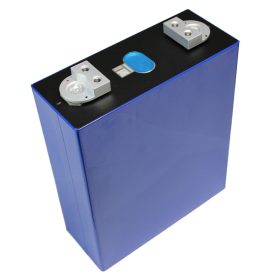
TÜV Rheinland Certified
EVE MB31 (A grade) rechargeable LiFePO4 battery

EVE MB31 (A grade) rechargeable LiFePO4 battery

In stock
Nominal capacity:
314 000 mAh
Discharge current:
314 A
Expected delivery :
09/04/2026
5
94.90 EUR (Net: 74.72 EUR)  
89.90 EUR (Net: 70.79 EUR)
TÜV Rheinland Certified
EVE LF304 (A grade) rechargeable LiFePO4 battery

EVE LF304 (A grade) rechargeable LiFePO4 battery

In stock
Nominal capacity:
304 000 mAh
Discharge current:
304 A
Expected delivery :
09/04/2026
113.90 EUR (Net: 89.69 EUR)
TÜV Rheinland Certified
  EVE LF100LA (A grade) rechargeable LiFePO4 battery (double M6 thread)

EVE LF100LA (A grade) rechargeable LiFePO4 battery (double M6 thread)

Available to order
Nominal capacity:
100 000 mAh
Discharge current:
100 A
Expected delivery date:
14/04/2026
41.90 EUR (Net: 32.99 EUR)
Back
Customer account
  • Sign In
  • Sign Up
  • My Profile
  • Cart
  • My Favorites
Information
    • Terms and Conditions
    • Privacy Policy
    • Payment
    • Shipping
    • Product return
    • Contact details
    • Imprint


thebatteryshop.eu
  • Petőfi Sándor utca 48., Újlengyel, 2724
  • +36305738970 (Mon-Fri 9:00-16:30)
  • +36305738970 (WhatsApp)
  • info@thebatteryshop.eu


Warehouse address (Pick-up address):


  • Kunigunda street 68/C, Budapest, 1037
  • facebook

  • instagram

  • Tiktok

Subscribe to our newsletter

Subscribe to our newsletter and get a 5% discount on the total amount of your first order!

Subscribe
stripe_com
pastpay_com
paypal
  • Li-Ion battery cells
  • LiFePO4 battery cells
  • Spot welding machines
  • BMS electronics
  • Battery chargers, testers
  • Portable power stations
  • Home ESS
  • Accessories
  • Blog
  • Why choose us?
  • Our Partners
Change language
English English
Magyar Magyar
Deutsch Deutsch
Slovenčina Slovenčina
Sign in
Sign Up
Privacy settings
Our website uses cookies necessary for basic functionality. You can allow additional cookies for broader features (marketing, analytics, personalization). For more details, see our Privacy Policy in the Privacy Notice.
Necessary cookies are essential for the website to function properly and do not store any personally identifiable information.
We use marketing cookies to track visitors' website activity. The purpose is to serve relevant ads to individual users (e.g. Google Ads, Facebook Ads) and encourage them to engage, which makes our website even more valuable.
By collecting and reporting data in an anonymous form, statistical cookies help the website owner understand how visitors interact with the website.
With the help of cookies used for personalization, we can remember information that changes the behavior and appearance of the website.